
Read next
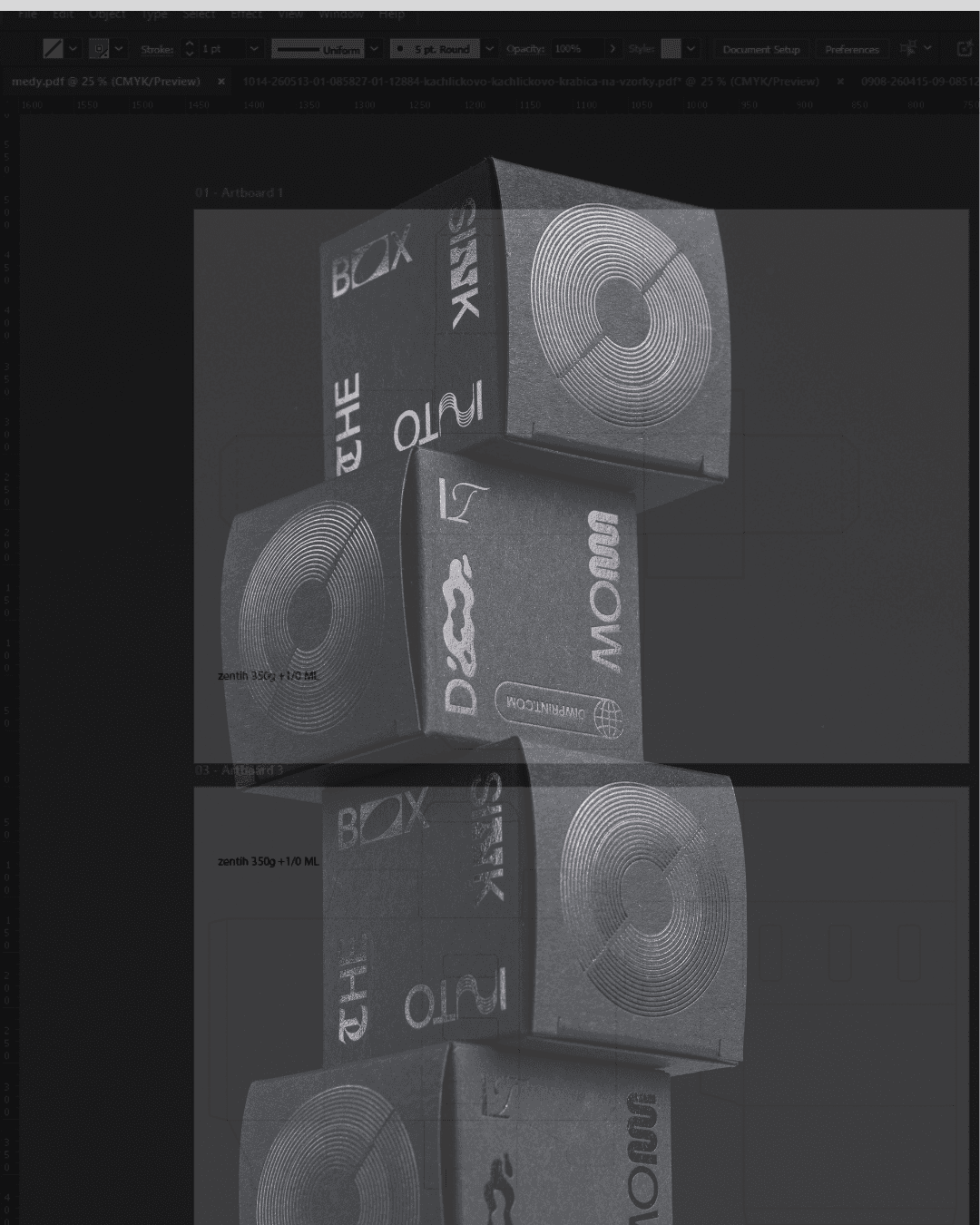



Why is it important to pay attention to printed materials when selling?
High-quality printed materials help you present yourself professionally, boost credibility, and increase brand awareness. They’re a way to show customer care and drive sales. Let’s let the data speak for itself and take a look at some interesting findings from surveys conducted by leading global distribution companies.
43% of surveyed shoppers perceive a brand with gift packaging as more prestigious; for luxury products, this figure rose to 49%,
up to 27% of respondents (in the 18–44 age group) stated that the packaging would convince them to order from the brand again
42% of respondents consider sustainable packaging to be the main factor that would convince them to order from the brand again,
as many as 82% of respondents prefer boxes over plastic bags. They perceive boxes as more environmentally friendly and safer for shipping. Nearly a quarter of those surveyed reuse the boxes from their packages.
The data comes from a Dotcom Distribution survey of U.S. consumers in the e-commerce sector.
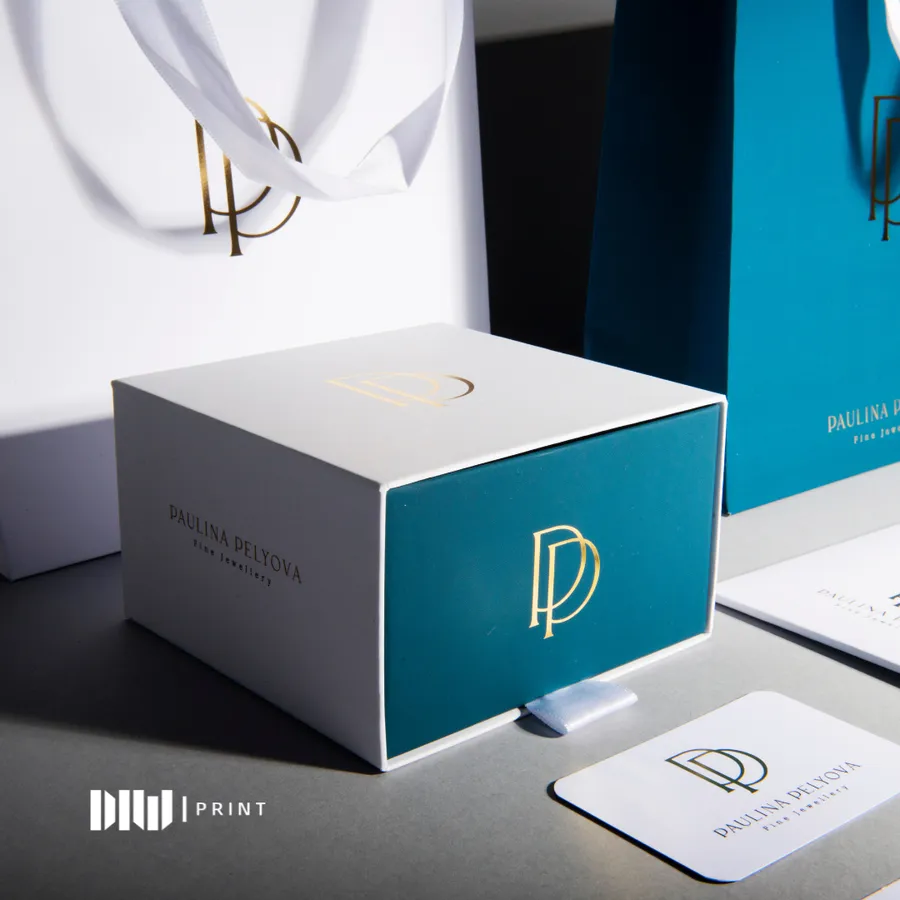
The product’s dimensions and weight determine the material used to make the packaging and its design. For smaller items, such as various serums, cosmetics, and other small products, we typically produce boxes from 250–280g paper. For products with a volume exceeding 250 ml, or for more luxurious products, a paper weight of 280–350g is more suitable, as it is sturdier and more exclusive. For heavier products or those that require sturdier packaging, we recommend using corrugated cardboard, which is durable due to its construction and can be further finished.
Common types of box designs include:
The classic "pillbox"- opens from both sides
A two-piece box- has a lid and a bottom
A box with a self-locking bottom - the bottom is not glued; the weight of the product keeps it closed
A hinged box with a solid bottom - only the lid opens
A drawer - a two-piece box with a sleeve that slides out
If paper bags are a better fit for your products, or if you’re selling something truly unique that requires custom packaging, email us at info@diwprint.com and we’ll come up with a solution together.
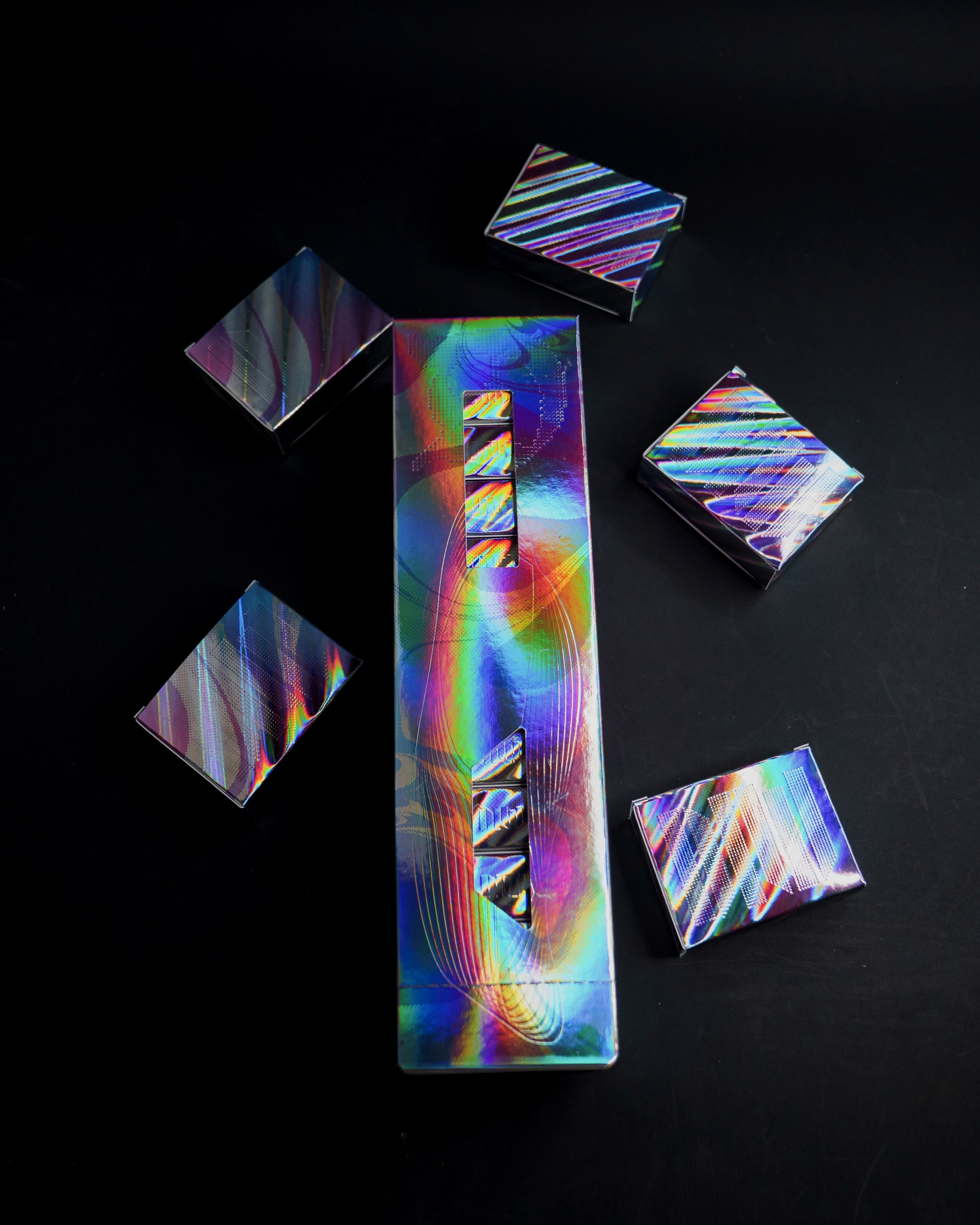
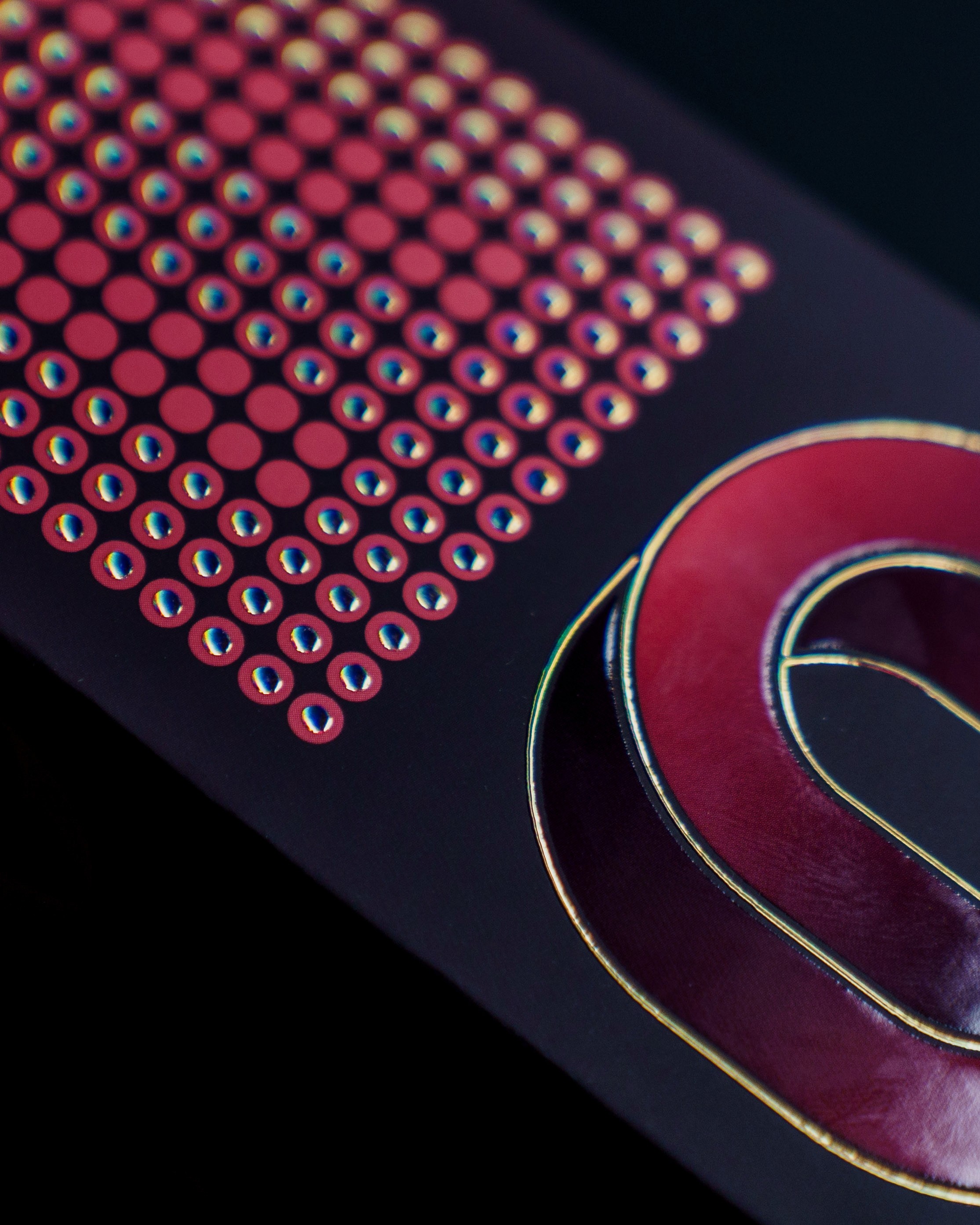
For packaging, we offer a wide selection of papers and finishing techniques that add value. Enhance your packaging with a metallic effect, a 3D pattern, varnish, or a protective coating that also makes it more attractive. If you care about sustainability and are looking for eco-friendly packaging, we’d be happy to advise you. When it comes to finishing, there are no limits to your creativity, and you can enhance your packaging however you like. You can combine various techniques to incorporate several design elements into your packaging that will set it apart from the competition.
Overall Packaging
Once your primary packaging is complete, we can focus on the packaging that will be used to transport the product. This typically consists of a larger, sturdier corrugated cardboard box and packing material. If necessary and if the budget allows, the shipping boxes can also be printed. A more economical solution is to use stickers and tape featuring the brand logo.
Today, packing paper, shredded paper, straw, and various eco-friendly packing pellets are commonly used as filler material. Bubble wrap is on the decline. Natural packing paper with a subtle print will certainly make a greater impression on an increasingly environmentally conscious customer base and looks very aesthetically pleasing.
Labeling Packaging
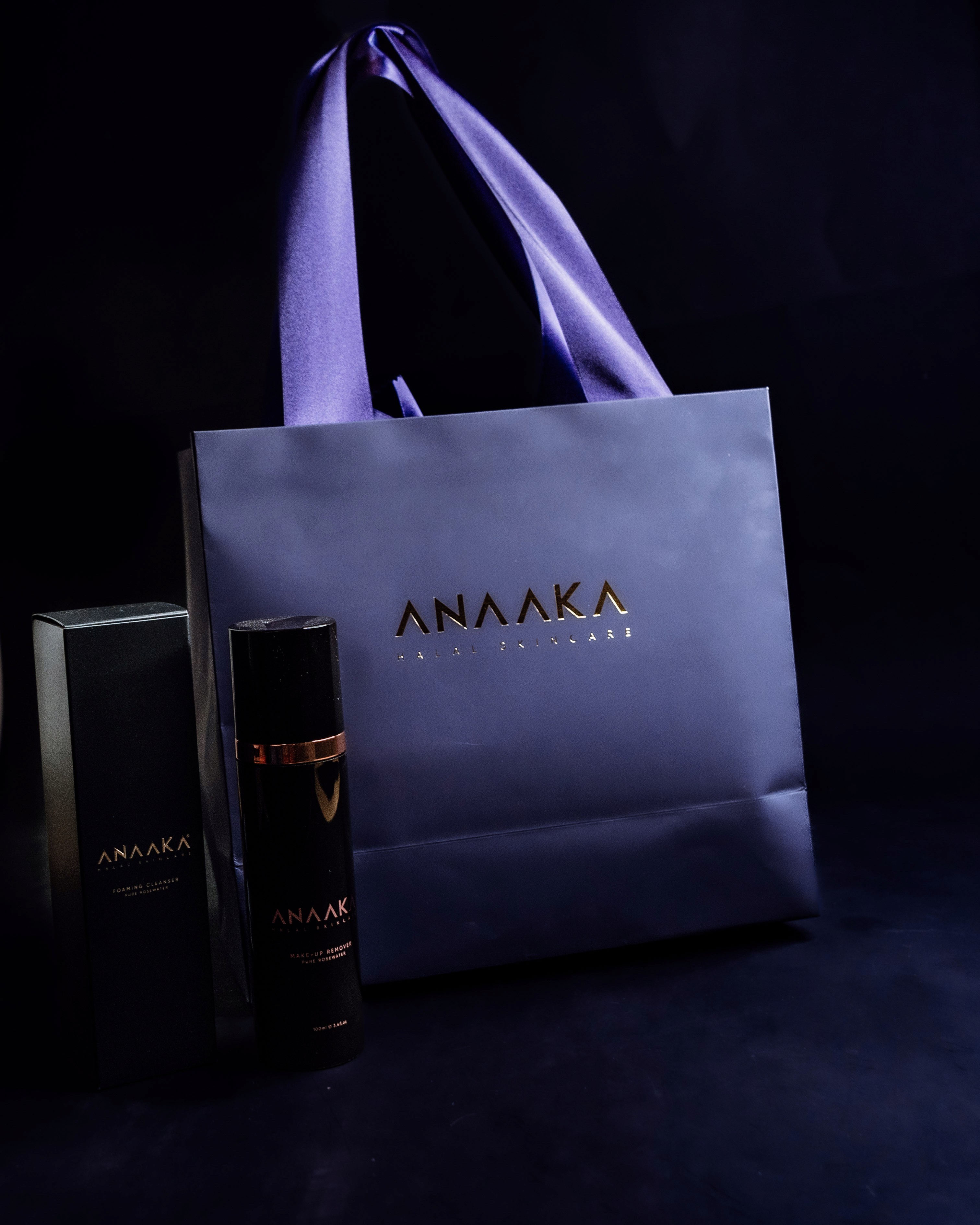
This category includes paper tags and labels - for example, for clothing, textiles, and accessories - as well as labels suitable for containers holding cosmetics, food, or any product you need to label in your retail space. Different mandatory labeling rules apply to each type of product. However, in addition to the required information, there is plenty of space on a tag or sticker that you can use to feature your logo, slogan, or message. This detail enhances your brand’s image, and customers will appreciate it when you pay attention to even the smallest, most intricate printed materials.
For labeling materials, you can choose from standard coated papers as well as creative papers with a more distinctive texture. At DIW print, we always recommend FSC®-certified paper from sustainable sources. Tags and labels can also be enhanced to add value. Metallic printing, for example, is ideal for this type of printed material and is available even for small print runs.
This was our brief overview of the 5 packaging categories we recommend to anyone who sells products and is starting a business. When it comes to packaging, the sky’s the limit, and with the technology we have here at DIWe, we can help you create any type of packaging or printed material in a wide variety of forms. We’ll advise you on what’s best for your needs and your brand.
If you’ve read this far, thank you very much - we truly appreciate your attention. We believe these tips will help you in your business and serve as a solid foundation from which we’ll be happy to help you take the next steps.
Why is it important to pay attention to printed materials when selling?
High-quality printed materials help you present yourself professionally, boost credibility, and increase brand awareness. They’re a way to show customer care and drive sales. Let’s let the data speak for itself and take a look at some interesting findings from surveys conducted by leading global distribution companies.
43% of surveyed shoppers perceive a brand with gift packaging as more prestigious; for luxury products, this figure rose to 49%,
up to 27% of respondents (in the 18–44 age group) stated that the packaging would convince them to order from the brand again
42% of respondents consider sustainable packaging to be the main factor that would convince them to order from the brand again,
as many as 82% of respondents prefer boxes over plastic bags. They perceive boxes as more environmentally friendly and safer for shipping. Nearly a quarter of those surveyed reuse the boxes from their packages.
The data comes from a Dotcom Distribution survey of U.S. consumers in the e-commerce sector.
The product’s dimensions and weight determine the material used to make the packaging and its design. For smaller items, such as various serums, cosmetics, and other small products, we typically produce boxes from 250–280g paper. For products with a volume exceeding 250 ml, or for more luxurious products, a paper weight of 280–350g is more suitable, as it is sturdier and more exclusive. For heavier products or those that require sturdier packaging, we recommend using corrugated cardboard, which is durable due to its construction and can be further finished.
Common types of box designs include:
The classic "pillbox"- opens from both sides
A two-piece box- has a lid and a bottom
A box with a self-locking bottom - the bottom is not glued; the weight of the product keeps it closed
A hinged box with a solid bottom - only the lid opens
A drawer - a two-piece box with a sleeve that slides out
If paper bags are a better fit for your products, or if you’re selling something truly unique that requires custom packaging, email us at info@diwprint.com and we’ll come up with a solution together.
For packaging, we offer a wide selection of papers and finishing techniques that add value. Enhance your packaging with a metallic effect, a 3D pattern, varnish, or a protective coating that also makes it more attractive. If you care about sustainability and are looking for eco-friendly packaging, we’d be happy to advise you. When it comes to finishing, there are no limits to your creativity, and you can enhance your packaging however you like. You can combine various techniques to incorporate several design elements into your packaging that will set it apart from the competition.
Overall Packaging
Once your primary packaging is complete, we can focus on the packaging that will be used to transport the product. This typically consists of a larger, sturdier corrugated cardboard box and packing material. If necessary and if the budget allows, the shipping boxes can also be printed. A more economical solution is to use stickers and tape featuring the brand logo.
Today, packing paper, shredded paper, straw, and various eco-friendly packing pellets are commonly used as filler material. Bubble wrap is on the decline. Natural packing paper with a subtle print will certainly make a greater impression on an increasingly environmentally conscious customer base and looks very aesthetically pleasing.
Labeling Packaging
This category includes paper tags and labels - for example, for clothing, textiles, and accessories - as well as labels suitable for containers holding cosmetics, food, or any product you need to label in your retail space. Different mandatory labeling rules apply to each type of product. However, in addition to the required information, there is plenty of space on a tag or sticker that you can use to feature your logo, slogan, or message. This detail enhances your brand’s image, and customers will appreciate it when you pay attention to even the smallest, most intricate printed materials.
For labeling materials, you can choose from standard coated papers as well as creative papers with a more distinctive texture. At DIW print, we always recommend FSC®-certified paper from sustainable sources. Tags and labels can also be enhanced to add value. Metallic printing, for example, is ideal for this type of printed material and is available even for small print runs.
This was our brief overview of the 5 packaging categories we recommend to anyone who sells products and is starting a business. When it comes to packaging, the sky’s the limit, and with the technology we have here at DIWe, we can help you create any type of packaging or printed material in a wide variety of forms. We’ll advise you on what’s best for your needs and your brand.